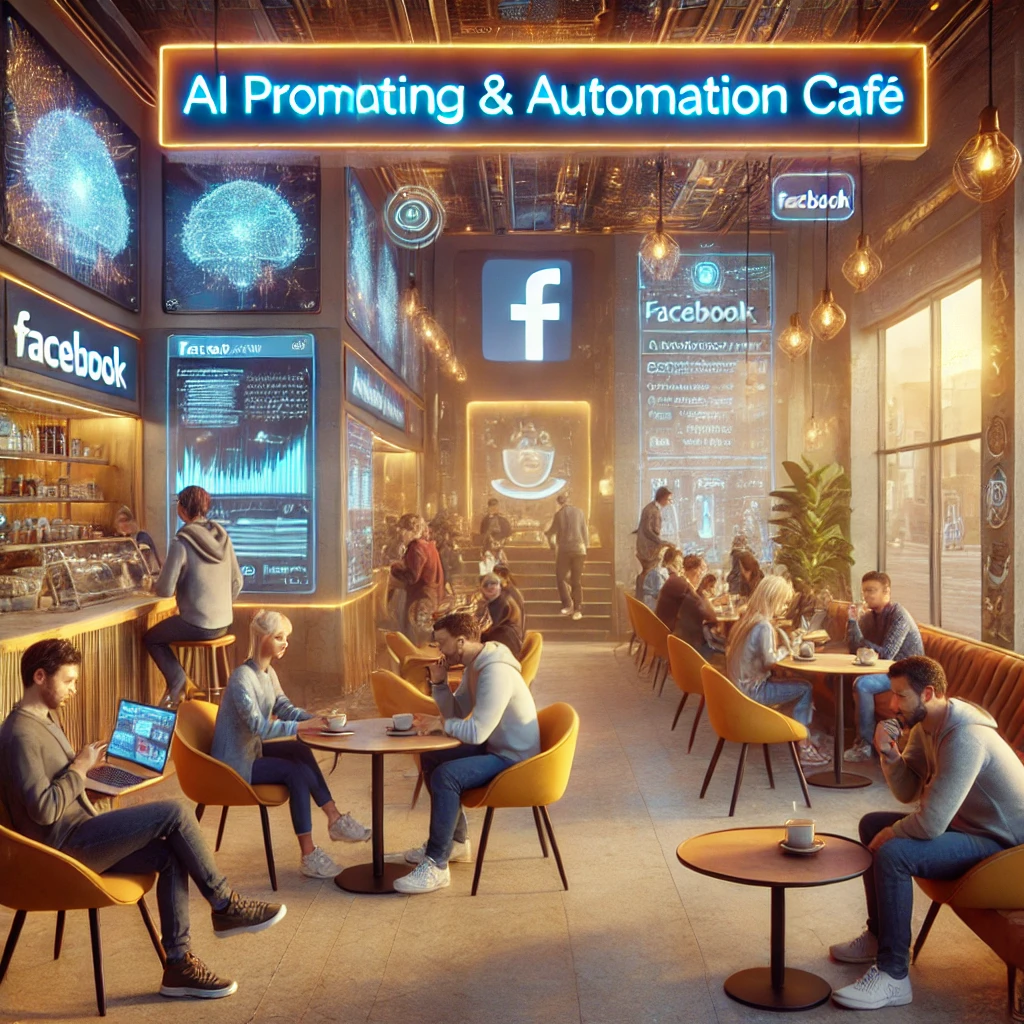

The Future of Content Creation: AI Takes Center Stage
In the fast-evolving world of digital media, artificial intelligence (AI) is pioneering new frontiers in the content creation industry. From automation tools to AI-generated writing platforms, the landscape is shifting rapidly. Riding this wave of innovation is Halfaccess.org, a thought leader in digital accessibility and forward-thinking content strategy. The organization recently announced a deep dive into AI-driven content creation trends, spotlighting how creators and businesses can embrace these tools responsibly and strategically.
Why AI Is Shaping the Content Scene
AI’s entrance into content creation is more than a trend—it’s a transformation that’s redefining roles, workflows, and possibilities. As Halfaccess.org points out, the integration of AI tools into digital media is helping content creators:
- Streamline repetitive tasks
- Improve content personalization
- Increase production speed and scalability
- Boost SEO capabilities through intelligent automation
With technology giants like OpenAI, Google, and Meta investing heavily in generative AI, the industry is seeing rapid advancements that allow for intelligent copywriting, image generation, video editing, and even music composition.
The Rise of Generative AI
One of the most significant developments is the rise of generative AI models like GPT-4, DALL·E, and others. These tools allow creators to generate high-quality text, graphics, and multimedia content with unprecedented speed. For example, a brand can now produce an entire marketing campaign—complete with blogs, social posts, and imagery—within a few hours using AI tools.
Halfaccess.org is particularly interested in how these technologies align with inclusive content strategies. The organization emphasizes that while these tools offer efficiency, they must also support accessibility and ethical use.
AI for Writers: Creativity Meets Code
Writers are no longer limited by blank-page anxiety. AI writing assistants can provide inspiration, suggest headlines, summarize information, or even draft complete articles. According to Halfaccess.org, these tools are most effective when used as collaborators—not replacements. Writers should still apply critical thinking, deep editing, and ethical judgment.
Content Personalization at Scale
Personalized content is now achievable on a much larger scale. AI systems can:
- Analyze user behavior to make content recommendations
- Segment audiences based on interaction patterns
- Deliver customized email and marketing messages tailored to user preferences
This kind of granularity drives more engagement, improves user experience, and increases conversion rates. Halfaccess.org will explore these applications further in their upcoming interactive roundtables and webinars.
Ethical Concerns Around AI in Content
With great power comes great responsibility. As Halfaccess.org notes, implementing AI in content creation raises legitimate concerns around authenticity, misinformation, and bias. Companies and individual creators must consider the ethical implications of producing AI-generated content.
Authenticity and Transparency
Audiences increasingly crave genuine voices. Over-reliance on AI risks producing cookie-cutter or inauthentic material. It’s essential to be transparent when AI is used, especially in editorial or educational contexts. Halfaccess.org encourages creators to disclose AI involvement in content production as a sign of respect for their audience.
AI Bias and Inclusion
AI systems learn from the data they’re trained on. If that data contains biases, those biases will manifest in the output. Halfaccess.org emphasizes the need for diverse datasets and inclusive training models to ensure content resonates with a broad audience. The organization also supports ongoing research on how AI can better serve users with disabilities through automated captioning, screen reader technologies, and more.
Training Content Creators for an AI-Driven Future
To bridge the knowledge gap, Halfaccess.org is launching new programs focused on upskilling creators in AI tools and best practices. These training sessions aim to help professionals:
- Understand key AI tools and platforms
- Master prompt engineering for optimal AI results
- Maintain ethical standards in AI-generated media
- Build accessible content that complies with WCAG and ADA standards
These initiatives will be complemented by online courses, hands-on AI demonstrations, and expert-led panel discussions.
Preparing for AI Integration in Workflows
Businesses must adapt their processes to partner with AI efficiently. This involves:
- Investing in AI training for internal teams
- Setting editorial guidelines for AI-assisted content
- Integrating AI into content management systems
Halfaccess.org will be producing downloadable guides and toolkits for content teams navigating their AI transformation.
Future-Proofing Content Strategies
AI can be a powerful competitive advantage—but only if used wisely. Halfaccess.org is helping content creators future-proof their strategies by focusing on three key pillars:
1. Human-Centric Storytelling
AI can suggest and streamline, but the human voice remains vital. Storytelling that evokes emotion, empathy, and connection will always stand out. By combining AI efficiency with human creativity, creators can maximize impact without sacrificing authenticity.
2. Cross-Platform Compatibility
AI can help reformat content for different platforms—turning blog posts into tweets, podcasts, or videos. This capability increases reach and engagement without overburdening teams with manual repurposing tasks.
3. Accessibility by Design
As AI evolves, ensuring it supports accessibility from day one is crucial. Halfaccess.org advocates for content that is inclusive of all users, especially those with disabilities. Features like automated alt text, screen reader optimization, and adaptive design should be integrated into every AI tool’s output logic.
Looking Ahead: A Responsible AI Content Ecosystem
As Halfaccess.org continues its conversation around AI’s place in content creation, the industry is watching closely. Their commitment to ethics, accessibility, and education is setting a new standard for how AI should be used in digital communication.
Emerging trends indicate that those who adopt AI with purpose, not just convenience, will lead the next era of content creation. By approaching these technologies with a balanced perspective, creators can unlock efficiency without compromising on inclusivity and authenticity.
Stay tuned for upcoming Halfaccess.org events, courses, and free resources aimed at supporting creators in this new AI-led era. Whether you’re a marketer, blogger, educator, or designer, the future of content is here—and being shaped in real time.